A Chinese Learned Generosity and Integrity in the United States
Growing up in Communist China, I heard endless lessons about morality — yet rarely saw them practiced. It was in America that I finally learned what generosity and integrity truly mean.
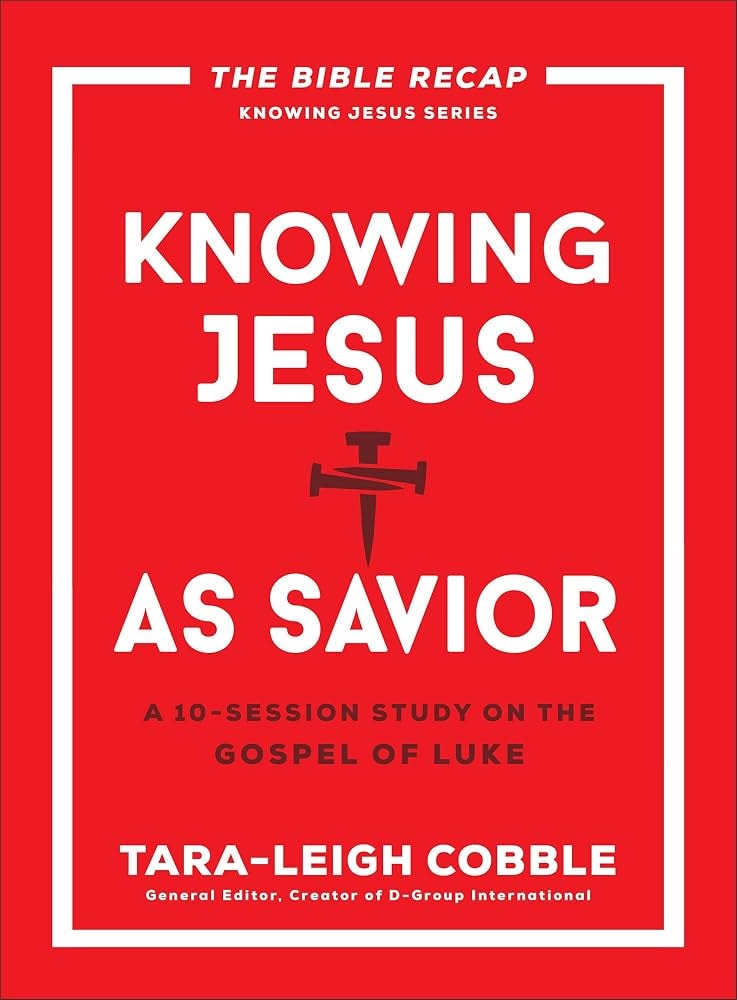
This fall, I began attending a women's Bible study focused on the Gospel of Luke, using Knowing Jesus as Savior by Cobble as our study guide.
In Luke 3, John the Baptist was asked a common question for salvation by the crowds, including tax collectors and soldiers: "What shall we do?"
John did not tell them to quit their jobs or devote their lives to full-time ministry. Instead, he instructed them to share generously with others, perform their duties honestly, and live faithfully. His teachings emphasized two simple but powerful virtues: generosity and integrity.
"Generosity and integrity aren't required for salvation, but they serve as evidence of a genuinely changed heart," Cobble explains.
This message touched me deeply.
If Given the Chance, Chinese People Would Join the Crowd, Asking "What Shall We Do?"
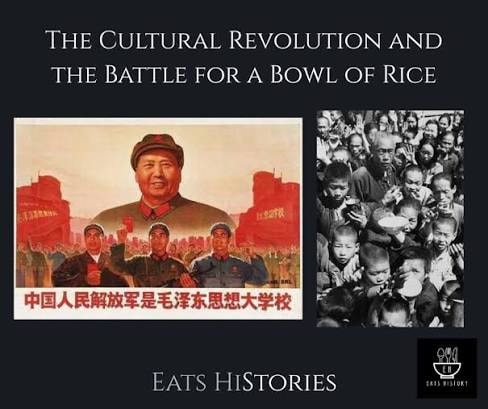
Growing up in officially atheist China, I heard the same moral lessons over and over: Be kind. Be honest. Be selfless. My family and teachers taught me these virtues, as did Buddhist teachings, Taoist stories, and, above all, the Chinese Communist Party.
Buddhist teachings emphasized compassion and warned that wrongdoing could bring consequences for future generations. Stories of Taoist immortals celebrated kindhearted people whose good deeds were eventually rewarded. The Communist Party had its own moral hero: Lei Feng, a young soldier celebrated for devoting his short life to helping others. We were repeatedly told to follow his example.
The Party went much further than teaching morality. From elementary school into adulthood, I was required to attend political meetings where we publicly confessed our shortcomings and criticized ourselves. Missing a meeting could mean public humiliation, losing a day's pay, receiving a political warning, or even losing a job that supported our families. We were constantly reminded to be selfless, loyal, and morally upright.
Yet what I saw around me often told a very different story.
In cities, people routinely took advantage of impoverished vegetable vendors who had migrated from remote villages and endured bitter winter cold to earn a living on the streets. Unscrupulous mine owners held poor villagers captive and forced them into slave labor. Contaminated infant formula poisoned babies, some fatally. Restaurants reused cooking oil recovered from sewage. Reports of abductions linked to the illegal organ trade raised horrifying questions about the value placed on human life.
How could a society that preached kindness and morality so relentlessly tolerate such cruelty and dishonesty?
For much of my life, I struggled with this contradiction. I had heard countless lessons about generosity and integrity, yet rarely saw these virtues practiced in everyday life. More troubling, I could not honestly say that I had learned to live by them myself.
I often wonder how many Chinese people, like me, have spent their lives being taught what it means to be good, yet still long to understand what true goodness looks like. Then, I couldn't help wondering: If given the chance, how many would join the crowd and ask, "What shall we do to be saved?"
How a Chinese Woman Learned Generosity in a Small Midwestern Town
When I first arrived in the United States, I settled in a small Midwestern town. Almost everyone I passed on the street greeted me with a warm smile. Some neighbors brought me apples from their orchards after a bountiful fall harvest. Others invited me into their homes to celebrate Thanksgiving with their families. Still others took me to local restaurants to introduce me to American food and culture.
The town was tiny, with a downtown stretching only three to five blocks. Yet I was amazed to see some 20 to 30 churches scattered along its beautiful streets. I was told that the town was part of the Bible Belt.
Gradually, I became immersed in the warmth and friendliness of small-town life. To return the kindness and hospitality I had received, I often invited my American friends to my little temporary home for tea and homemade Chinese meals. I shared stories about Chinese culture and even taught some of them Chinese when they expressed an interest in learning the language.
Sundays were especially busy, as I often received invitations to attend church services. I visited First Baptist, Methodist, Anglican, Catholic, and Pentecostal churches, and even a Unitarian Universalist congregation, which I was later told was quite different from traditional Christian churches. At most of these churches, I heard the same central message: Jesus Christ, the Son of God, was crucified to save humanity from sin, rose from the dead on the third day, and later ascended to heaven to be with God the Father.
Sandra and her husband, John, were evangelists who homeschooled their three children. Sandra often drove her big van to pick me up for Sunday dinner and what felt like a Sunday homeschool lesson. She treated me almost like one of her own children.
One Sunday, Sandra began teaching me that God created everything.
"Everything?" I asked skeptically.
Sensing my doubt, Sandra asked me to turn on the light.
"Why is the light on?" she asked.
"Electricity," I replied.
"And where does electricity come from?"
"Power plants. They use water, coal, wind, or other fuels to generate electricity. We can even get it from sunlight."
I felt rather proud of myself for answering such simple questions.
Sandra continued, "Then where do water, coal, wind, and sunlight come from?"
"Nature," I answered, growing a little impatient.
"But where does nature come from?"
"Hmm… I don't know," I finally admitted, unable to come up with another answer.
Although Sandra and several other American women patiently taught me about God, I still struggled to understand the true meaning of salvation. Deep down, I remained troubled and spiritually lost.
When I completed my program, I returned to China. Before I left, Sandra asked if I wanted to be baptized. I declined, fearing that the Communist Party might punish me if it discovered I had become a Christian.
I returned to China carrying an unanswered question: "What shall I do to be saved?"
Yet I did not return empty-handed. Through the kindness and hospitality of ordinary Americans in that small town, I had experienced something I had long heard about but rarely witnessed: genuine generosity.
How I Learned Integrity as a Scholar at Universities in the U.S.
When I returned to the United States, I had no idea what God had planned for me. I only knew that I wanted to attend graduate school and become a researcher.
Academic training in the United States places a strong emphasis on integrity. I remember my first university adviser explaining that American universities share a fundamental commitment to academic honesty, regardless of their differences in programs or disciplines. I was impressed that integrity was not merely encouraged but expected of every scholar.
One of my first lessons was about plagiarism, and it challenged my understanding of academic work.
In China, there is a popular saying: There are countless publications you can copy from; you just have to be clever about how you copy. Like many Chinese students, I had not fully understood that using someone else's words or ideas without proper acknowledgment was more than an academic mistake. It was a form of intellectual theft — claiming credit for work that belonged to someone else.
Gradually, I came to understand that citing sources was more than following academic rules. It meant respecting others' intellectual contributions.
I began to see a deeper connection between academic integrity and the Christian values of truth and honesty. Many of the earliest Western universities were founded by religious institutions, and their mottos often reflected ideals such as "Truth" and "Light." For their deeply religious founders, education was more than the pursuit of knowledge. It was also a way to seek truth, understand God's creation, and draw closer to the mind of God.
God's Plan
Looking back on my journey from Communist China to capitalist America, I have come to an unexpected realization: It was in America that I began to understand the true meaning of generosity and integrity.
I learned these virtues not through political slogans, compulsory meetings, public confessions, or threats of punishment, but through the kindness of ordinary Americans. Their generosity, honesty, and willingness to help others without expecting anything in return showed me what it meant to live by these values. They did not need to lecture me about morality. They simply practiced it.
Only now can I see how these experiences were connected. The kindness I encountered in a small Midwestern town, the lessons in integrity I learned at American universities, and my years of searching for spiritual answers were all part of a journey I could never have imagined when I first arrived in America.
What I once saw as a series of unexpected encounters, I now recognize as God's plan. Through the people He placed in my life, I learned not only what generosity and integrity mean, but also how to practice them.
After years of searching for an answer to the spiritual question, "What shall I do?" I finally found my answer: I accepted Jesus Christ as my Savior and was baptized.
Explore Topics
Written by